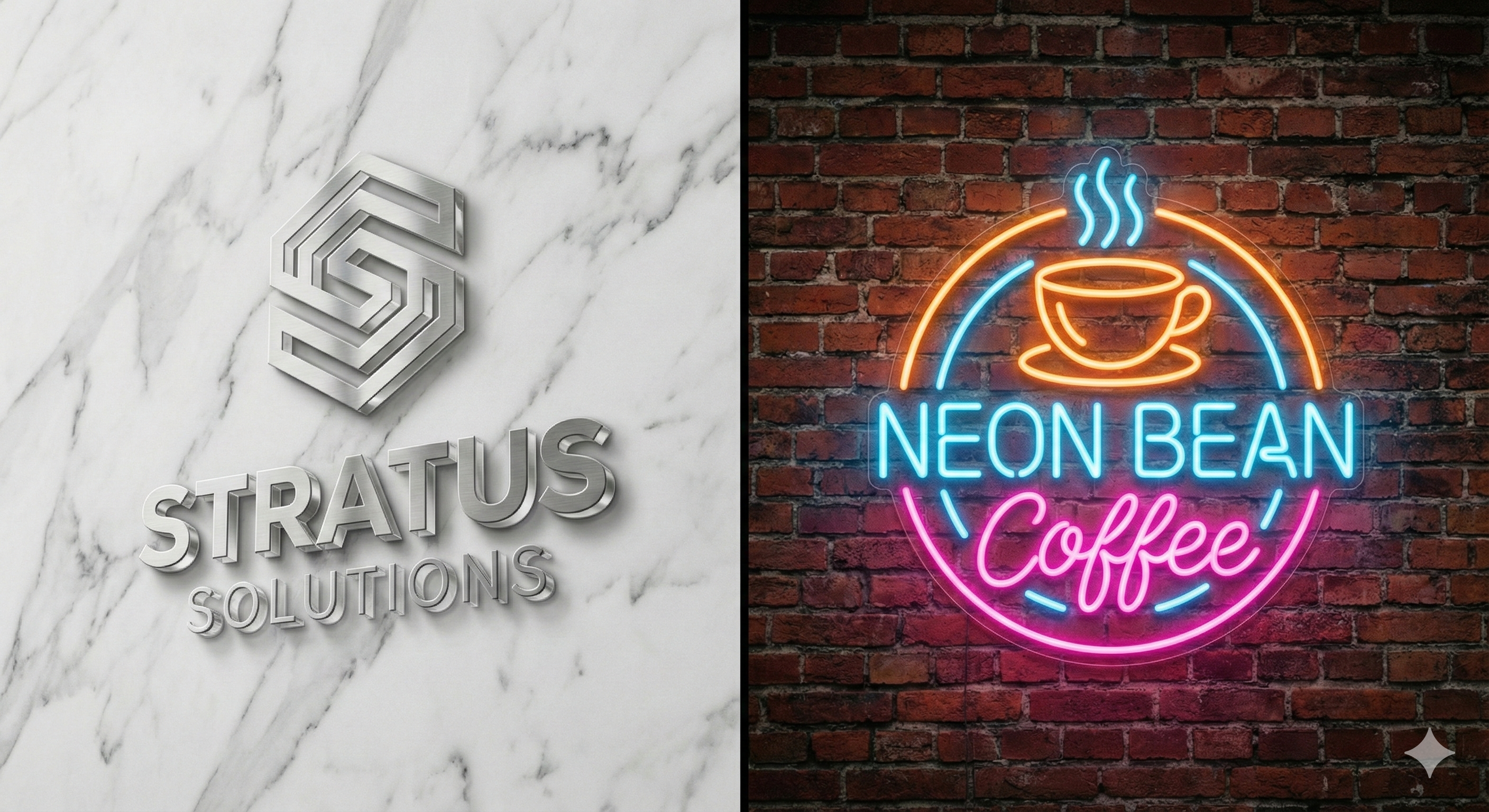
In the highly competitive markets of Muscat—from the busy streets of Al Khuwair to the industrial hubs of Ghala—your signage is the first handshake you offer a customer. It tells them who you are before they even step through the door.
Two contenders currently dominate the Omani market: the timeless, professional 3D Acrylic Sign and the trendy, vibrant LED Neon. Both have distinct advantages, but making the wrong choice can lead to a brand identity mismatch or, worse, early degradation under the intense sun.
1. The Battle for Visibility: Understanding the Options
When selecting custom acrylic signs in Oman or neon alternatives, you are essentially choosing between "Prestige" and "Pop."
3D Acrylic is fabricated from solid sheets of plastic (PMMA), cut via laser or CNC, and often built up with side returns to create depth. It is crisp, geometric, and authoritative.
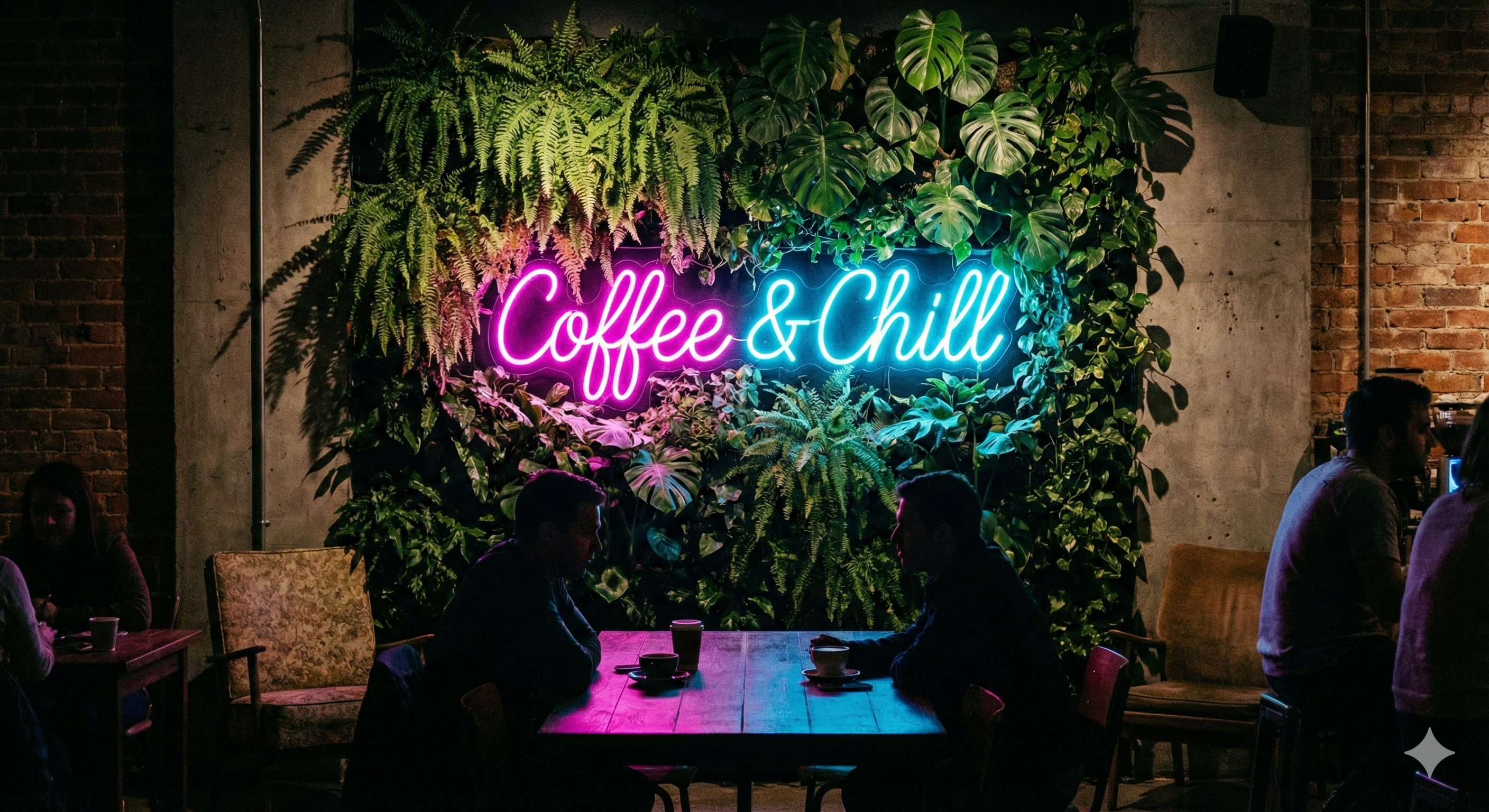
LED Neon Flex is the modern, energy-efficient evolution of traditional glass neon. It uses flexible silicone tubing filled with LEDs to mimic the continuous glow of gas, allowing for fluid shapes and handwriting styles.
2. Contender 1: 3D Acrylic Signage (The Corporate Standard)
3D Acrylic letters are the gold standard for corporate offices, law firms, clinics, and government buildings in Muscat. They project stability and precision.
Best Used For:
- Exterior Facades: Large channel letters visible from the highway.
- Reception Walls: High-gloss logos behind a reception desk.
- Official Buildings: Where legibility and formality are key.
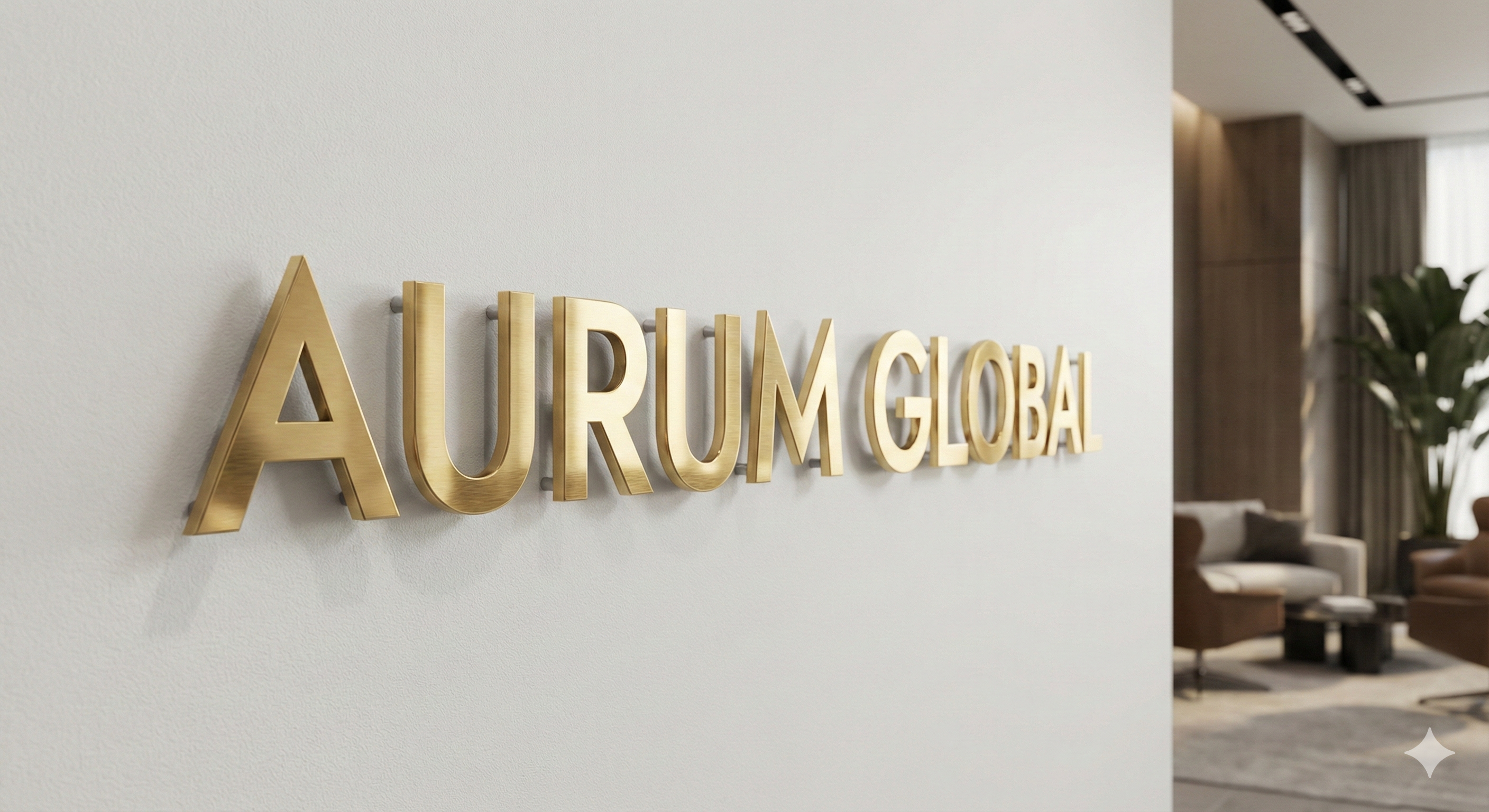
A classic example of 3D Acrylic Channel Letters providing depth and professionalism.
3. Contender 2: LED Neon Flex (The Modern Aesthetic)
If your brand is about lifestyle, energy, or youth, LED neon signs are unmatched. They are "Instagrammable," creating a vibe that encourages customers to take photos and share them.
Best Used For:
- Cafes & Restaurants: Catchy quotes or burger icons.
- Gyms & Salons: High-energy colors to set a mood.
- Interior Decor: Adding a pop of color to a bland wall.
4. Head-to-Head: Durability in Oman's Climate
This is the most critical factor for outdoor signage in Muscat. The summer heat consistently hits 45°C+, and UV radiation is intense.
| Feature | 3D Acrylic | LED Neon Flex |
|---|---|---|
| UV Resistance | High (High-quality cast acrylic resists yellowing for years). | Medium (Silicone casing can eventually brittle or yellow in direct sun). |
| Heat Tolerance | Excellent. Retains shape in high heat. | Good, but requires high-grade outdoor IP67 rating. |
| Maintenance | Easy to wipe clean. Dust settles on top ledges. | Very low maintenance, no ledges for dust. |
| Daytime Visibility | Excellent (Physical depth creates shadows). | Low (Looks like white/colored tubing when off). |
Verdict: For purely outdoor signage facing the sun in Oman, 3D Acrylic (often illuminated internally) is generally more durable than exposed neon flex. Neon is superior for indoors or shaded window displays.
5. Cost Analysis: Investment vs. Value
Budget is always a concern for new business setups.
- Initial Cost: LED Neon is typically 20-30% cheaper than fabricating complex 3D acrylic letters, as the labor involved in bending silicone is less than laser-cutting and assembling acrylic returns.
- Running Cost: Both use LED technology, so electricity consumption is negligible and very efficient compared to old tube lights.
- Longevity Value: A high-quality acrylic sign can last 7-10 years. Neon flex typically has a lifespan of 3-5 years before the intensity fades.
Conclusion: Which One Should You Choose?
Choose 3D Acrylic if: You are a bank, corporate office, or luxury retailer needing a permanent, authoritative look that looks great day and night.
Choose LED Neon if: You are a cafe, tech startup, or beauty salon wanting to create a "vibe," attract social media attention, or need a cost-effective interior highlight.
At Al-Furqan International, we specialize in both. We use UV-stabilized acrylics and high-grade silicone neon flex designed specifically for the Gulf climate.
Ready to Transform Your Shop Front?
Get a free consultation and 3D mockup for your brand.
- Location: Wadi Kabir, Muscat.
- Phone: +968 9294 9051
- Email: alfurqanint.business@gmail.com
Frequently Asked Questions (FAQ)
Can I combine 3D Acrylic and Neon?
Absolutely. A popular trend is "Halo-lit" acrylic letters with neon accents. This gives you the professional readability of acrylic with the modern glow of neon.
Which is better for energy saving?
Both are LED-based and very efficient. However, Neon Flex often uses slightly less power as it has fewer LEDs per meter compared to densely packed modules inside 3D letters.
Does Al-Furqan handle the municipality permit for these signs?
Yes. Whether you choose Acrylic or Neon, we handle the full Invest Easy licensing process, including the required Arabic translation and technical drawings.